Plastic: Permeation of Chemicals
Polyethylene pipes for transporting benzene-containing process water
PE 100 pipes are used for both drinking water and gas supply (and also for municipal wastewater drainage). For these applications, very positive operating experiences are available, particularly due to polyethylene’s insensitivity to corrosion. The pipes are standardized in European norms and certified for gas and water supply in Germany by the DVGW (German Technical and Scientific Association for Gas and Water).
PE 100 pipes are also used for industrial applications. Whether polyethylene is resistant to the medium to be transported is tabulated (e.g., in Supplement 1 to DIN 8075). This standard indicates that PE-HD (as a generic term, PE 100 is a PE-HD) is only conditionally resistant to technically pure (i.e., almost 100%) benzene. Benzene can penetrate the polyethylene over time, causing swelling, which in turn weakens the mechanical properties. Therefore, a PE 100 pipe can only be operated with a reduced internal pressure. The reduction factor must be determined on a case-by-case basis for the given concentration.

SLA® Barrier Pipe (Drinking Water Pipe with Permeation Barrier)
In addition to the material’s resistance, the permeation-resistant properties of the pipe material must also be considered. It has been known since the early days of polyethylene pipe use that they are not permanently diffusion-tight against benzene. The time at which the first molecules permeate through the pipe wall and the permeation quantities depend on the concentrations and operating temperature in each individual case.
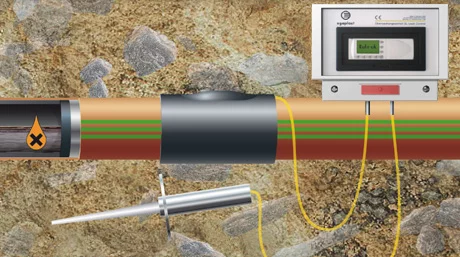
Against this background, egeplast developed the SLA® Barrier Pipe back in the 1980s. This polyethylene pipe contains an aluminum barrier layer, similar in construction to a Tetra Pak. This permeation-resistant PE pipe is approved in the Dutch KIWA regulations for laying drinking water pipes in contaminated soils with a concentration of up to 1780 mg/l benzene in the pipe’s surroundings.