


Installation Methods in Pipeline Construction
Our modern polyethylene (PE) pipe systems enable both classic open trench construction and innovative trenchless methods. We would be happy to advise you in detail and jointly select the most suitable method for your project!
Installation Methods for Pipe Rehabilitation
Many existing pipeline networks are reaching their limits due to age. Rehabilitation offers an economical and technically convincing alternative to new construction. The focus here is primarily on trenchless installation methods with minimal intervention in infrastructure and the environment.
Whether relining, burstlining, or close-fit methods, our pipes are ideally suited for trenchless methods due to their special material properties. After rehabilitation, the integrity of the pipes can be reliably inspected and documented – a clear advantage for quality assurance and operational safety.
Source: Sustainability


Relining

Advantages of the Relining Method:
Economical solution for longer distances, especially with limited accessibility
Minimal disruption to the surface and environment, as few open excavations are required
The old pipe remains in the ground, significantly reducing construction time and excavation work
Additional protection from the surrounding old pipe
Also possible with media change, e.g., from wastewater to cable protection pipe


Advantages of the Close-Fit Lining Method:
Trenchless rehabilitation with minimal surface intervention
No remaining annular space between old and new pipelines
Low cross-sectional reduction, as the liner fits snugly
Suitable for various media: drinking water, wastewater, and gas
High chemical resistance and long service life

Burstlining

Advantages of the Burstlining Method:
Economical solution for longer distances, especially with limited accessibility
Minimal disruption to the surface and environment, as few open excavations are required
The old pipe remains in the ground, significantly reducing construction time and excavation work
Additional protection from the surrounding old pipe
Also possible with media change, e.g., from wastewater to cable protection pipe


Installation Methods for New Installations
From open trench construction to innovative techniques such as plowing, milling, or horizontal directional drilling, various methods are available for new pipeline sections.
Matching your project goals and local conditions, we will find the right method for your project. With our modern PE pipe systems, you benefit from high flexibility during installation and long service lives of over 100 years.
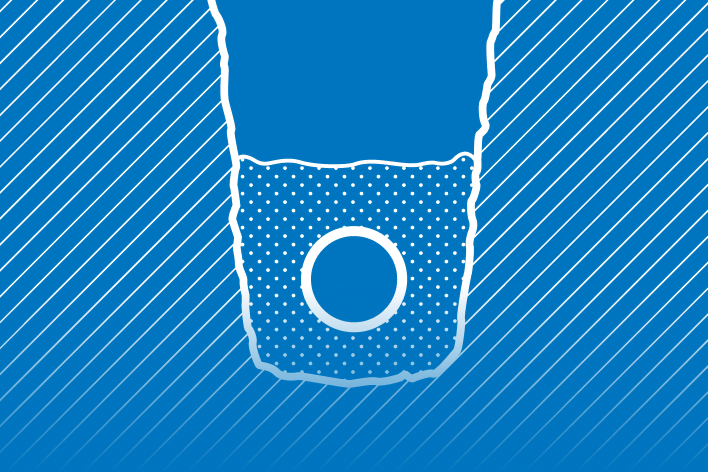




Open Trench Installation with Sand Bedding

Advantages of open trench installation with sand bedding:
Proven standard method with highest operational safety
Optimal protection against scratches and point loads
Easy quality control during installation
Suitable for all pipe materials and media

Open Trench Installation without Sand Bedding

Advantages of open trench installation without sand bedding:
Cost-saving, as sand bedding can be omitted
Use of existing excavated soil possible (provided compactable material)
Shorter construction time and less logistics
More environmentally friendly due to less material usage
Source: Sustainability

Plowing Method
A prerequisite for such installation conditions is a pipe system that can withstand the increased loads occurring here.
Depending on soil conditions, the newly laid pipeline may be superficially scratched (max. 10% of the wall thickness is permissible). In addition, stones can stress the outer wall of the pipe in a point or linear manner over a longer period – in addition to operational loads such as internal pressure, soil, or traffic loads.

Advantages of the Plowing Method:
Very high installation performance (up to approx. 5 km per day)
Minimal soil intervention and rapid restoration
No groundwater lowering required
Particularly economical for long routes in undeveloped areas

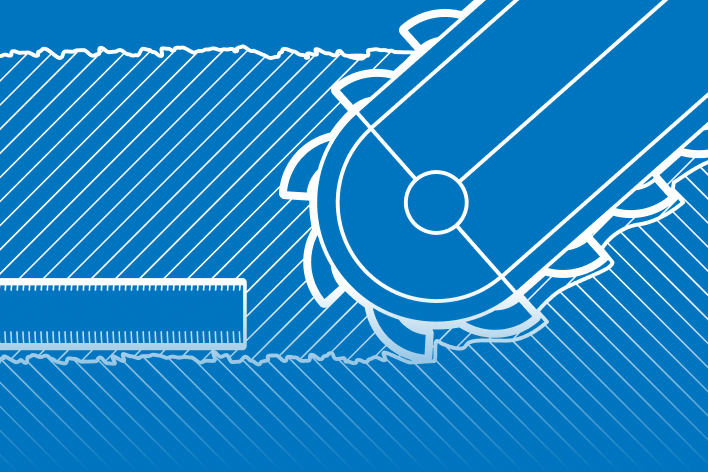
Milling Method
Depending on soil conditions, the newly laid pipeline may be superficially scratched (max. 10% of the wall thickness is permissible). In addition, stones can stress the outer wall of the pipe in a point or linear manner over a longer period – in addition to operational loads such as internal pressure, soil, or traffic loads – and thus cause damage.

Advantages of the Milling Method:
Narrow trench for less surface disruption
Usable up to soil class 7 (even in difficult soils)
Excavated soil can be used as backfill material
Combinable with long pipe lengths for rapid installation

Soil Displacement (Pipe Ramming)

Advantages of the Milling Method:
Trenchless short-distance installation, ideal for house connections
Very low surface disruption
Fast construction progress, minimal traffic restrictions
Cost-effective for short lengths

Horizontal Directional Drilling

Advantages of Horizontal Directional Drilling:
Trenchless rehabilitation with minimal surface intervention
Possibility of cross-sectional enlargement by up to three nominal diameters
High economic efficiency due to reduced construction time and lower civil engineering effort
Suitable for various media: drinking water, wastewater, and gas
Statically self-supporting and new pipeline
