


Today, our critical infrastructure is exposed to various threats. Operators are therefore increasingly obliged to systematically assess risks and implement resilience measures. Monitored pipe systems support maximum network security. Leaks, anomalies, or external interference can be detected at an early stage before they jeopardize the security of supply – preventive risk management to protect people and the environment.
Underground infrastructures are facing rapidly growing challenges. Rising ambient temperatures, urban densification, and increasing regulatory requirements from the European Drinking Water Directive call for new solutions. At the same time, critical infrastructures such as energy, gas, and water networks are increasingly becoming the focus of digital and physical attacks. Pipelines are thus among the central components of critical infrastructure. Disruptions or failures have a direct impact on the security of supply, health protection, and the functionality of municipalities and industry.
Threats of third-party interference and manipulation lead to increased regulatory requirements
Not only unintentional damage (“third-party damage”), but also concerns about cyberattacks, acts of sabotage, and hybrid threat scenarios have meant that security of supply is no longer just a technical challenge, but a security policy one.
In 2024, 1,276 reportable security incidents in critical sectors were registered under the EU NIS Directive – a significant increase compared to the previous year.¹
According to the Federal Criminal Police Office, a total of 321 suspected cases of sabotage against critical infrastructures were recorded in 2025.² These figures illustrate that the threat is real and multifaceted. Today, infrastructure is both a physical asset to be protected and a digital system. EU directives such as NIS2 and national KRITIS laws are therefore tightening the requirements for operators to systematically assess risks and implement resilience measures. In conjunction with the German Federal Water Act (WHG) and, for example, the Drinking Water Ordinance (TrinkwV), the regulatory measures now being implemented are driving the transformation from pure quality assurance to comprehensive security of supply and resilience.
Monitoring systems available today with state-of-the-art measurement technology help to build a future-proofed monitored infrastructure in order to detect leaks, thermal anomalies, external interference, or manipulation at an early stage – before they jeopardize the security of supply.
Instead of reactive damage control, preventive risk management is required to protect people, the environment, and resources, thereby ensuring greater sustainability.
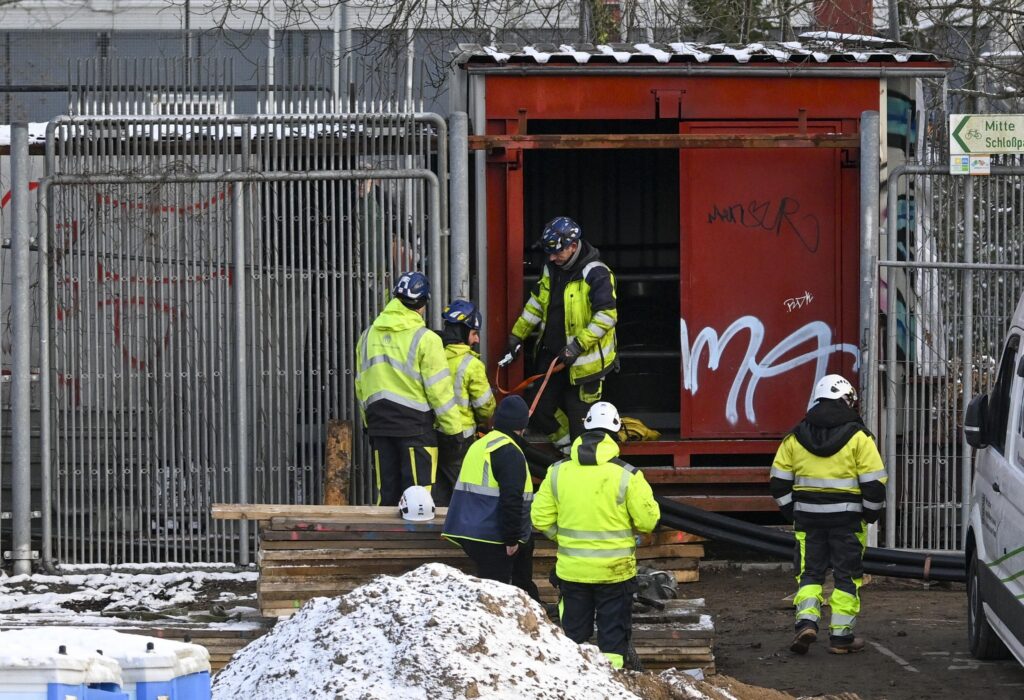
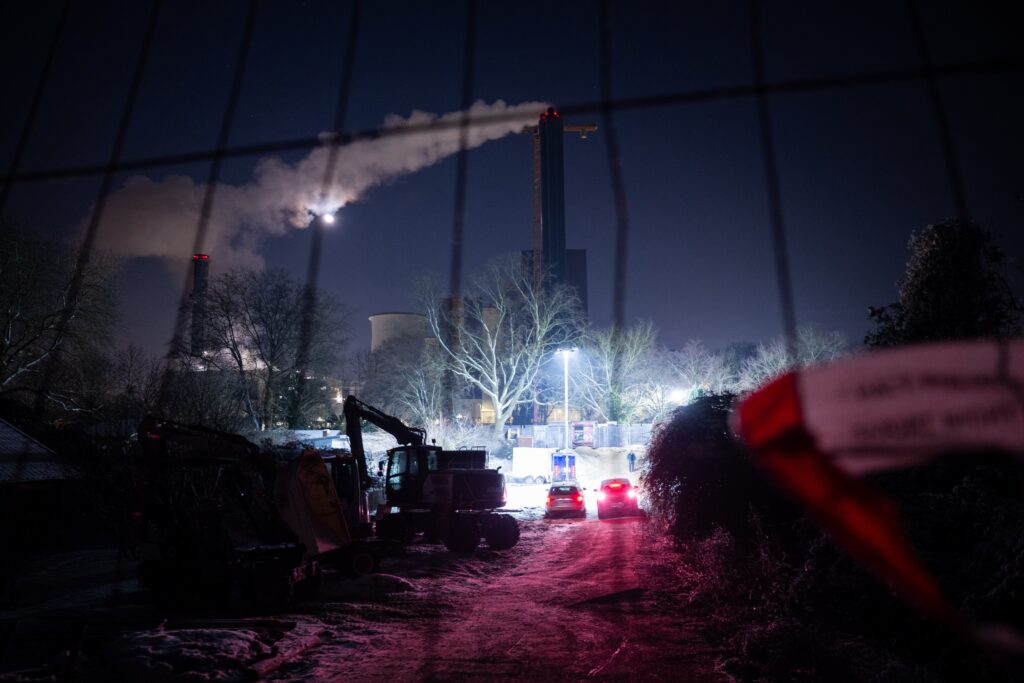
Consequences for the network operator
Regardless of the medium being transported, continuous condition information, early damage detection, and transparent monitoring of pipeline systems are becoming central to modern network operations. Operators are required to systematically identify risks, verifiably assess incidents, and implement appropriate preventive measures.
Continuous monitoring supports both the protection of the transported resource and the long-term preservation of the infrastructure’s value. Reactive damage repair is transformed into preventive, data-based risk management.
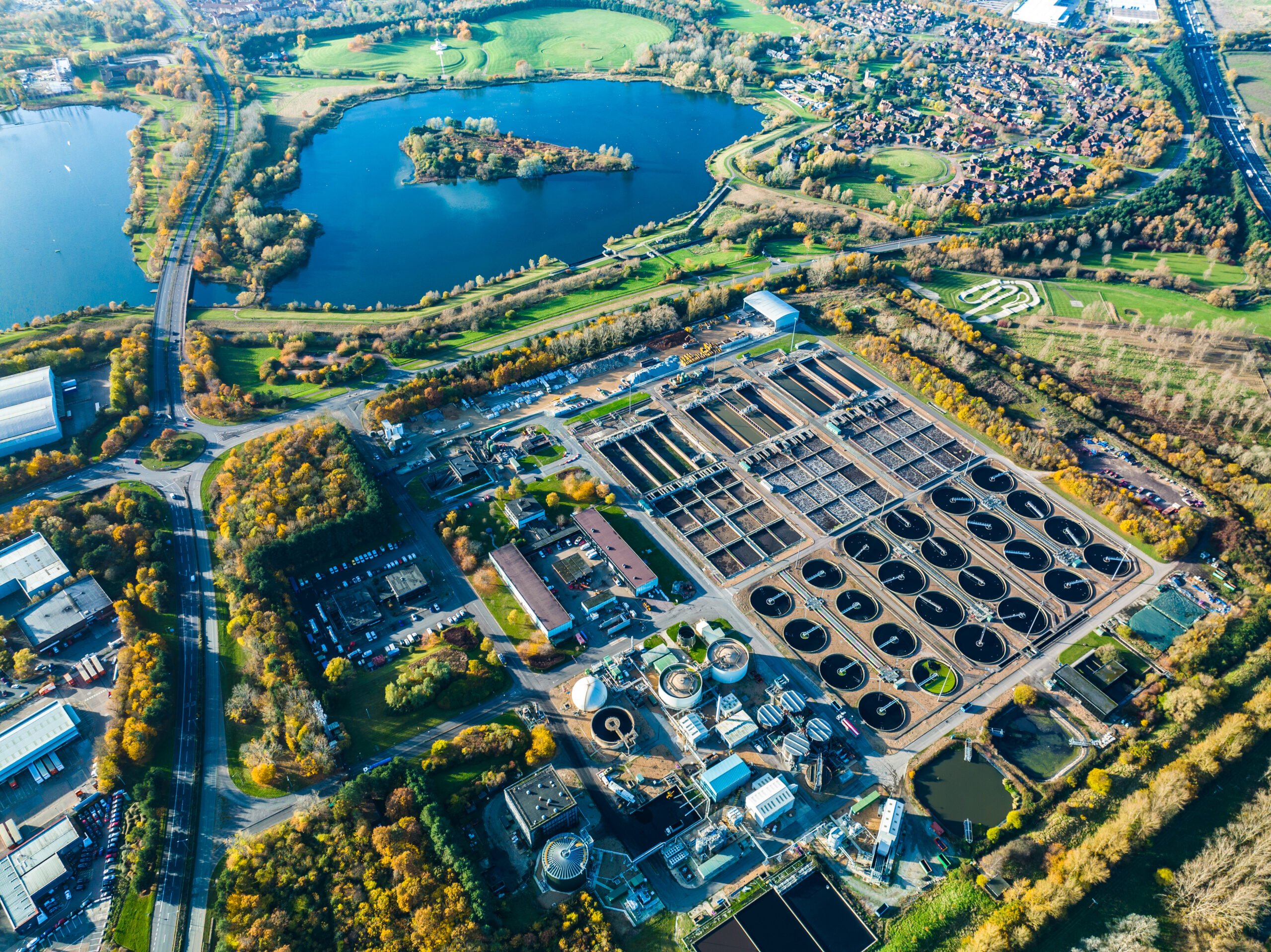
egeplast egeSmart:Data – Innovative pipe system for maximum network security
egeplast is developing a solution for a new generation of digital pipe infrastructure with the egeSmart:Data pipe system. The system combines a high-performance PE 100-RC pipe with integrated fiber-optic sensor technology – turning the pipeline itself into an intelligent monitoring system.
The key benefits for resilient and digitally monitored infrastructure networks:
Network security & protection of critical infrastructure
- Early detection of leaks and sabotage
- Localization of external interference along the route
- Real-time alerting in case of deviations
Digitalization & transparency
- Integrated fiber-optic sensors
- Permanent condition monitoring
- SCADA and cloud connectivity
- Option for secure data and signal transmission
Sustainability & risk management
- Protection of people, the environment, and resources
- Avoidance of consequential damage costs
The result: preventive risk management instead of reactive damage control.

Experience egeSmart:Data live at IFAT 2026 and discover how digital pipe systems make your infrastructure more resilient, intelligent, and future-proofed.

Sources:
¹ European Commission, Annual Report NIS Directive Security Incidents 2024.
² BKA Situation Report 2025 (media reports).
Source: Sustainability
Learn which new legal requirements water suppliers must meet – from mandatory risk management and stricter limit values to real-time monitoring
of water quality – with our Drinking Water Cheat Sheet.


