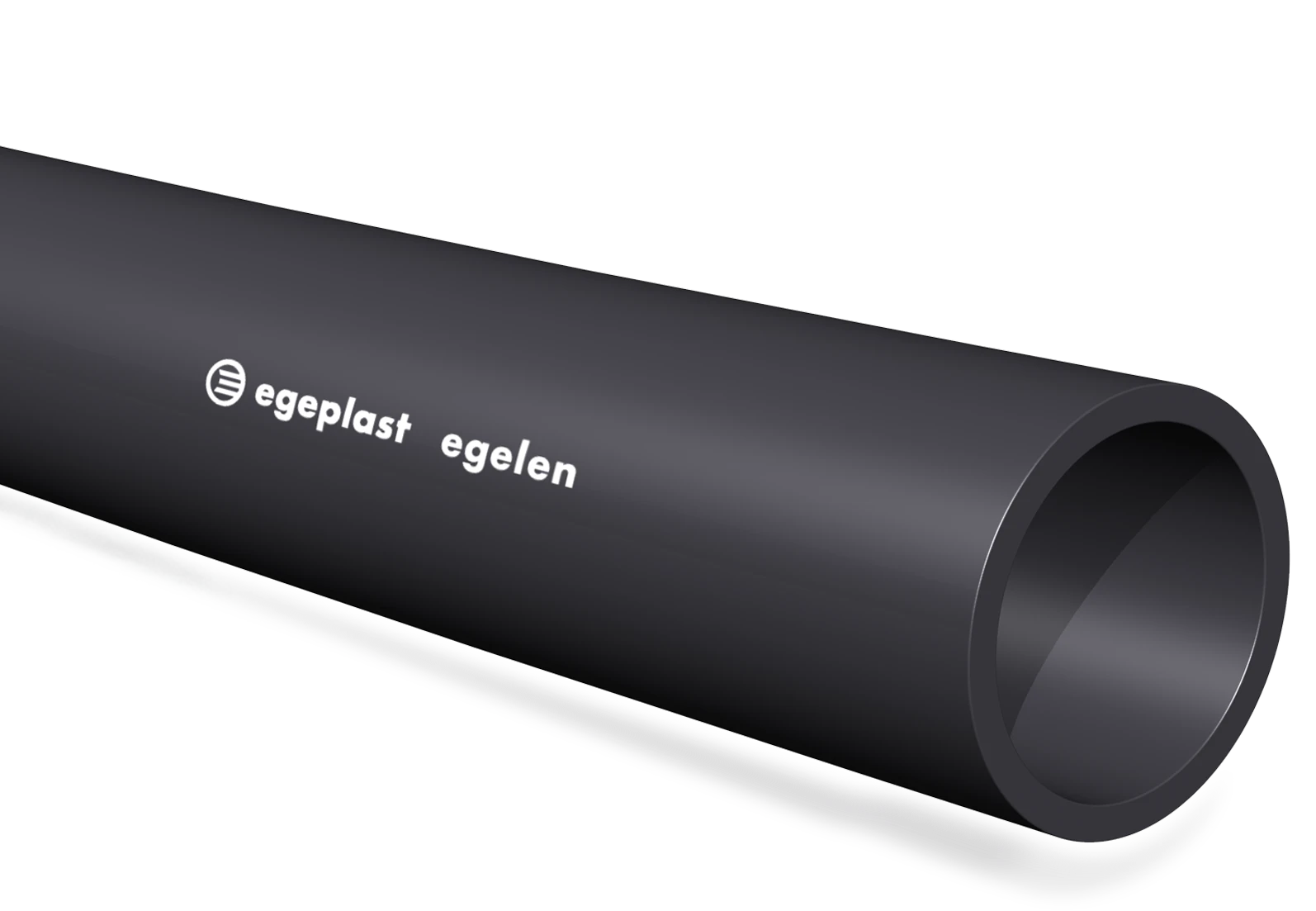
Pipe systems for data centers:
Future-proofed infrastructure for the cooling backbone
Key Facts
Data centers continuously generate heat that must be reliably removed. Powerful cooling is therefore one of the central technical requirements of data center infrastructure.
Figures from the Uptime Institute illustrate the economic impact that outages can have: for 57 percent of operators surveyed, their most recent major outage cost more than $100,000. One in five major outages even cost more than $1 million. These figures highlight the significant operational and economic importance of reliable operation.[1]
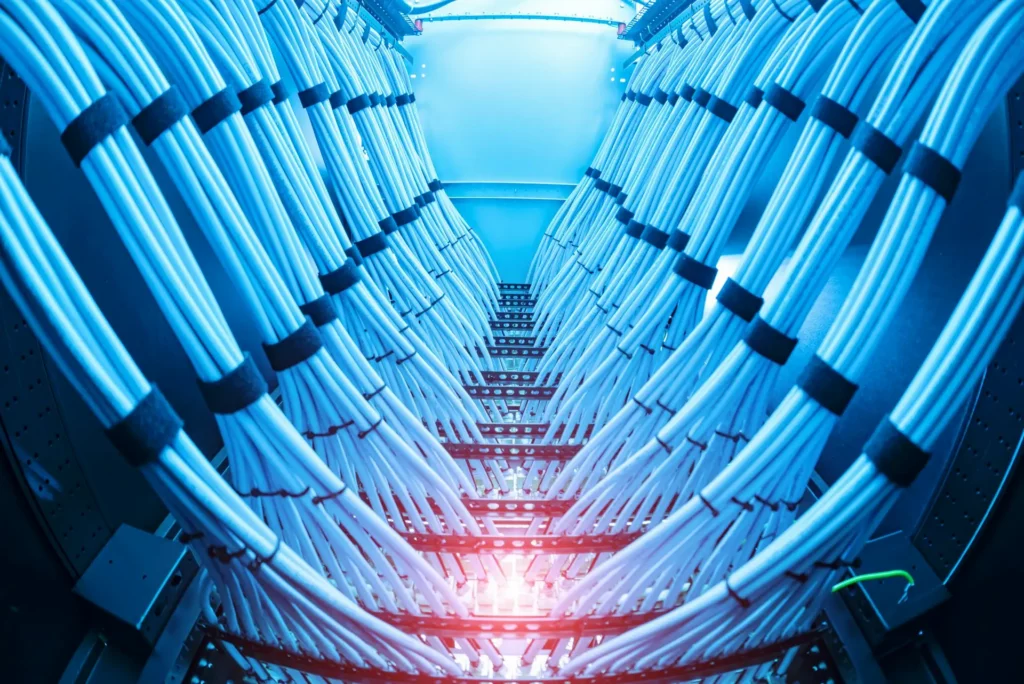
The cooling backbone connects the cooling infrastructure
Advantages of PE

Corrosion-resistant
PE is corrosion-resistant, contributing to the longevity and operational reliability of the pipe system. No additional measures are required to protect against external corrosion.
Secure welded joints
Welded joints create a leak-tight, longitudinally force-locked pipe system with high operational reliability.
Low pressure losses
The smooth inner pipe surface minimizes flow resistance and supports an energy-efficient chilled water supply.
Large dimensions and flexible installation
PE pipes up to OD 1600 enable the realization of a high-performance chilled water infrastructure. At the same time, the flexibility of PE makes it easier to adapt to the respective route.
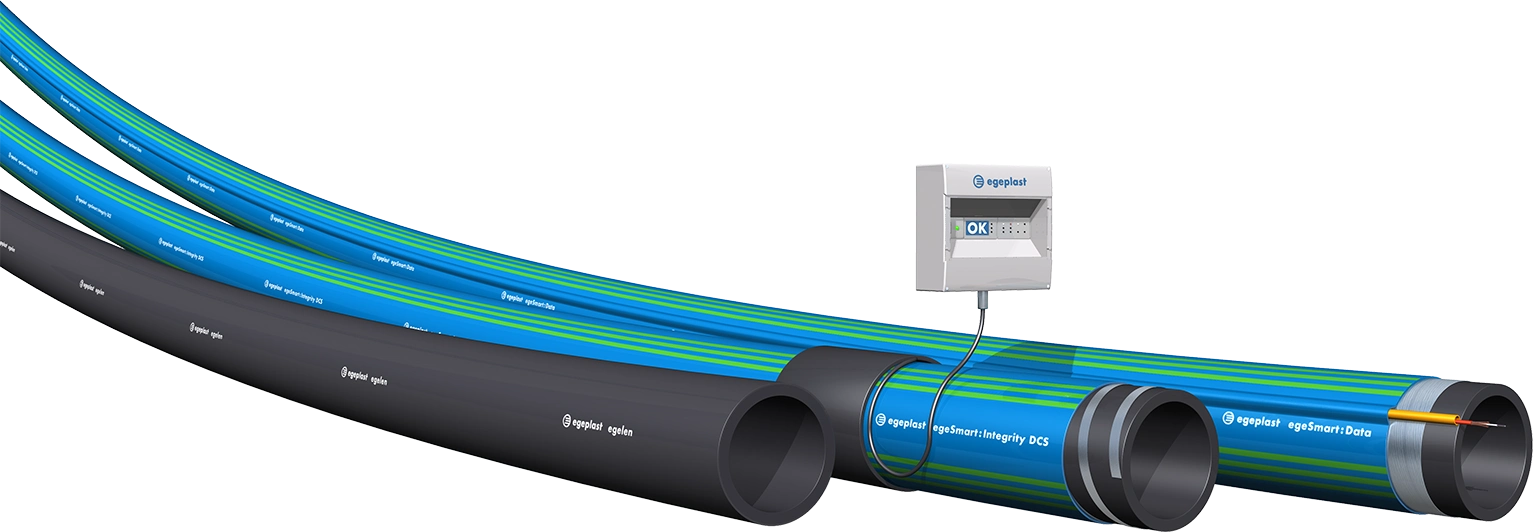
Monitored pipe systems
Monitored pipe systems create transparency along the buried route. Integrated sensor and monitoring technology detects leaks as well as relevant changes and impacts on the pipeline at an early stage. This extends the cooling backbone from a pure transport medium into an intelligent monitoring and early warning system.
Continuous monitoring reveals anomalies before their consequences become visible at the surface or affect operation. In the event of an external impact, the system issues an early warning. This allows measures to be taken before the carrier pipe is damaged, chilled water leaks out, or cooling performance is impaired.
If damage or a leak has already occurred, its location can be pinpointed to the meter. This avoids extensive search efforts along the route. Excavation and repair work can be focused precisely on the affected section.
This gain in information and time delivers a direct operational and economic benefit: the faster an event is detected and located, the more targeted the response can be. Search and repair times are shortened, potential limitations to cooling performance are minimized, and the costs associated with the event are significantly reduced.
Continuous monitoring
Leaks and relevant changes are detected at an early stage.
Early warning function
External impacts are made visible before water leakage occurs, wherever possible.
Pinpoint damage location
The affected section of pipeline can be precisely determined.
Targeted repairs
Search efforts, excavation, and repair are concentrated on the damaged section.
Lower follow-up costs
Shorter response and repair times can reduce limitations to cooling performance and the associated costs.
Currently planning a data center project?